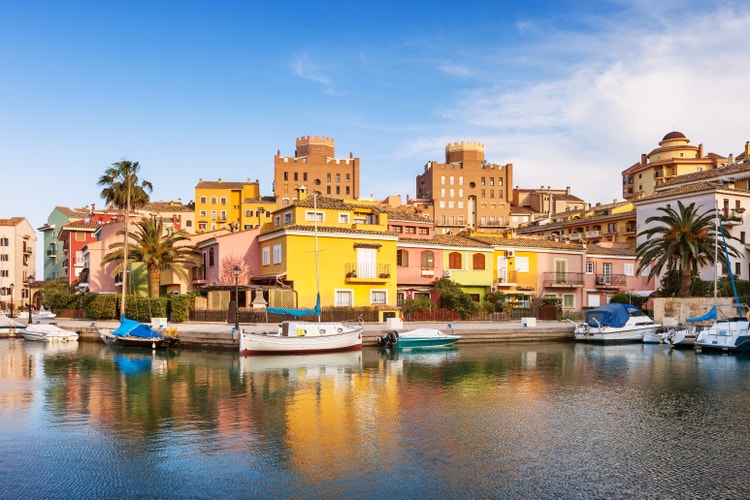
Colorful waterfront houses and boats at Port Saplaya near Valencia, Spain.
Roman History, Bold Architecture, and Mediterranean Life
Spain draws you in with layers of history, bold creativity, and a distinctly Mediterranean way of life. In Tarragona, a Roman amphitheater still faces the sea, while nearby Barcelona is filled with Gaudí's extraordinary architecture. Valencia’shistoric silk trade left behind some of the city’s most important Gothic architecture, including La Lonja de la Seda, a striking contrast to the futuristic City of Arts and Sciences. Busy markets and a celebrated food culture bring plenty of life to the city’s streets.
Just off Spain’s east coast, Mallorca is home to mountain villages and olive groves. Palma’s Gothic La Seu Cathedral stands above the waterfront, and the extraordinary Caves of Drach lie hidden below the island. Further south, Málaga and Cádiz lead you into Andalusia, where you’ll find Moorish buildings, flamenco music, and whitewashed towns as part of daily life. Seville, Granada, and Córdoba show even more of this history, with palaces, mosques, and cathedrals that reveal centuries of cultural influence.
Celestyal cruises to Spain
Your cruise-stop highlights for Spain
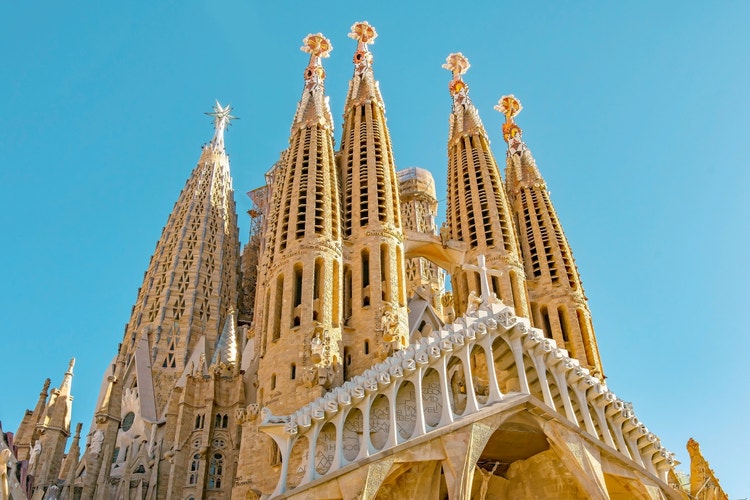
Sagrada Família basilica in Barcelona.
Ancient Streets and Extraordinary Architecture
Over the centuries, Spain’s cities have changed and grown, leaving behind Roman, Moorish, Gothic, and Modernist landmarks in their old neighborhoods. In Tarragona, you can still see the Roman amphitheater and circus. Moorish castles stand above Málaga, while Gothic buildings shape the centers of Palma, Valencia, and Seville. In Barcelona, Gaudí used stone, ceramics, and stained glass to create some of the world’s most famous buildings.
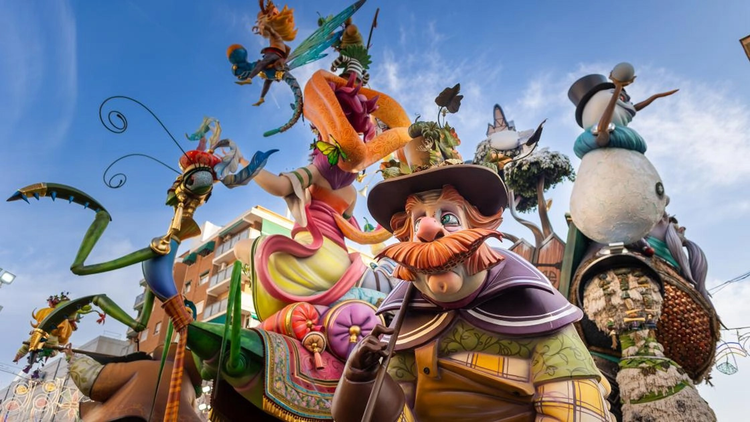
A photograph of a large handmade structure that features colourful comical characters as part of Valencia's Fallas festival parades
Traditions Made to Be Lived
In Spain, you can see tradition in everyday life. In Andalusia, flamenco fills the streets with music, rhythm, and dance. In Valls, teams build castells, which are impressive human towers recognized by UNESCO. Valencia’s Fallas festival is also a highlight, where artists spend months making large, often funny figures called ninots before the city celebrates. These traditions are still important today, letting you experience Spain through its music, crafts, and festivals
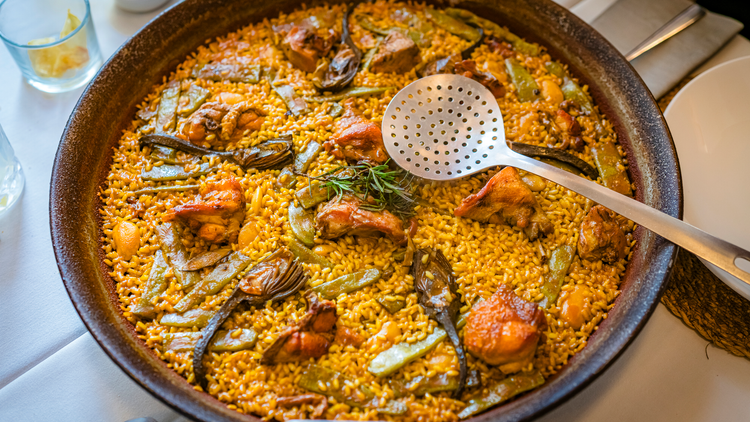
Traditional Valencian paella with rice, meat and vegetables served in a large paella pan.
Flavors of Spain
People everywhere love Spanish food for its bold flavors, fresh ingredients, and strong local traditions. In Valencia, you can try paella valenciana, a classic rice dish with meat and vegetables, and enjoy a cold glass of horchata, a sweet tiger-nut drink. In Málaga, sardines are grilled over open fires by the sea, and Jerez is known for its sherry wine. Mallorca offers ensaïmada, a soft, sweet pastry, along with olive oil and local wines. In Catalonia, cava is the region’s famous sparkling wine. Every region in Spain has its own recipes and food traditions for you to discover.